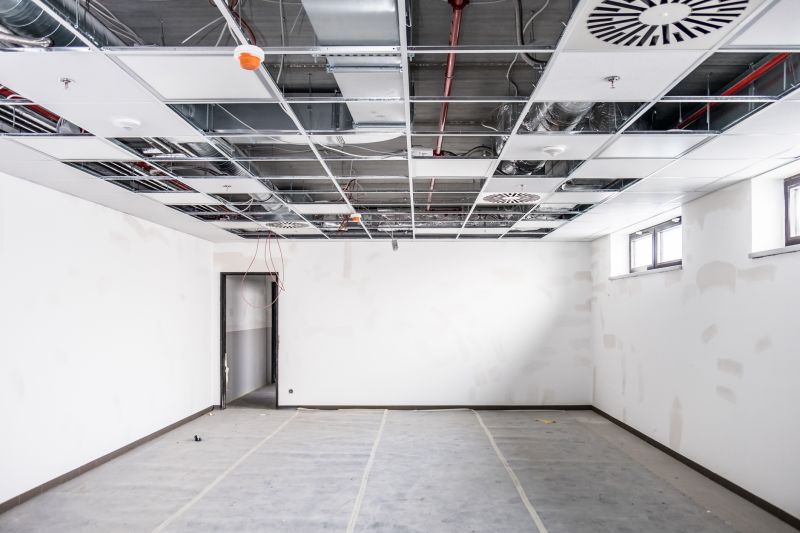
Ceiling Removal Service in Denver County, CO
Ceiling removal services involve the careful demolition and removal of existing ceilings in residential properties. This process is commonly requested for projects such as remodeling kitchens or bathrooms, upgrading to new ceiling designs, or addressing issues like water damage, mold, or structural concerns. Homeowners should understand the scope of the project, including whether the removal affects insulation, wiring, or fixtures, and whether the ceiling removal requires any additional repairs or reinforcements afterward.
Property owners typically want to know about the preparation involved, potential dust and debris, and the overall impact on their space during the removal process. It’s important to consider the type of ceiling material-such as drywall, plaster, or drop ceilings-as this can influence the complexity and methods used. Clarifying these details beforehand helps ensure the project proceeds smoothly and aligns with the homeowner’s renovation goals.
Many property owners in Denver County, CO look into Ceiling Removal Service for repairs, replacements, upgrades, and appearance-related improvements.
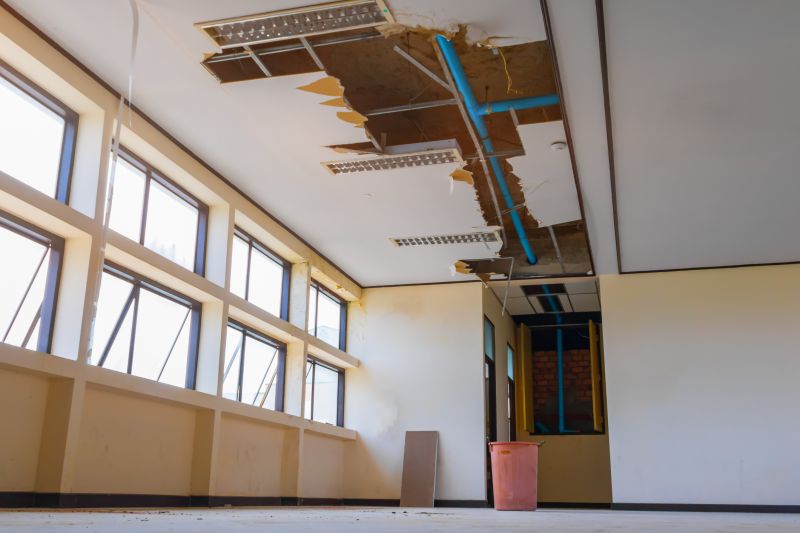
Ceiling Removal Options
Different ceiling types and materials require specific removal techniques for safety and efficiency.
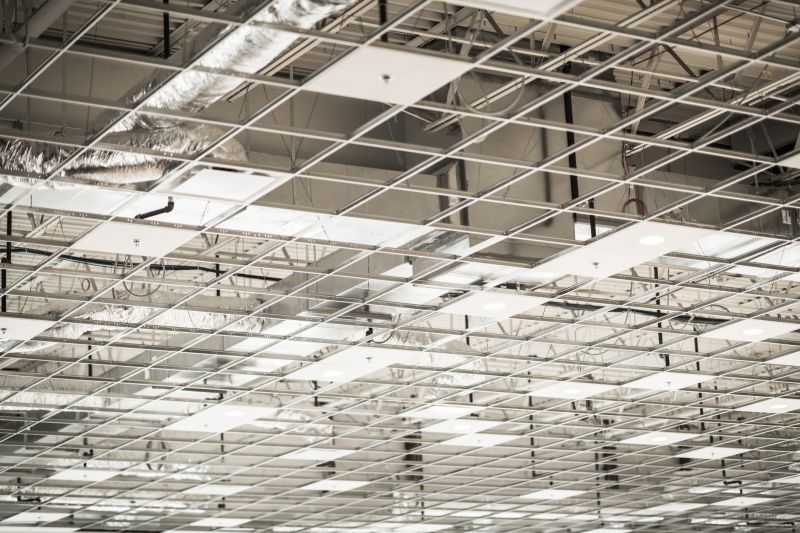
Common Reasons For Removal
Ceiling removal is often needed for remodeling, water damage repair, or updating outdated finishes.

Preparation And Safety
Proper preparation ensures a clean, safe removal process that minimizes dust and debris in denver county homes.
Ceiling Removal Service in Denver County, CO

Ceiling removal services involve the careful demolition and removal of existing ceilings in residential properties. This process is commonly requested for projects such as remodeling kitchens or bathrooms, upgrading to new ceiling designs, or addressing issues like water damage, mold, or structural concerns. Homeowners should understand the scope of the project, including whether the removal affects insulation, wiring, or fixtures, and whether the ceiling removal requires any additional repairs or reinforcements afterward.
Property owners typically want to know about the preparation involved, potential dust and debris, and the overall impact on their space during the removal process. It’s important to consider the type of ceiling material-such as drywall, plaster, or drop ceilings-as this can influence the complexity and methods used. Clarifying these details beforehand helps ensure the project proceeds smoothly and aligns with the homeowner’s renovation goals.
Many property owners in Denver County, CO look into Ceiling Removal Service for repairs, replacements, upgrades, and appearance-related improvements.
Common Ceiling Removal Service Jobs
Ceiling removal for remodeling projects - simplifies space updates and interior renovations.
Old ceiling removal - safely eliminates outdated or damaged ceiling structures.
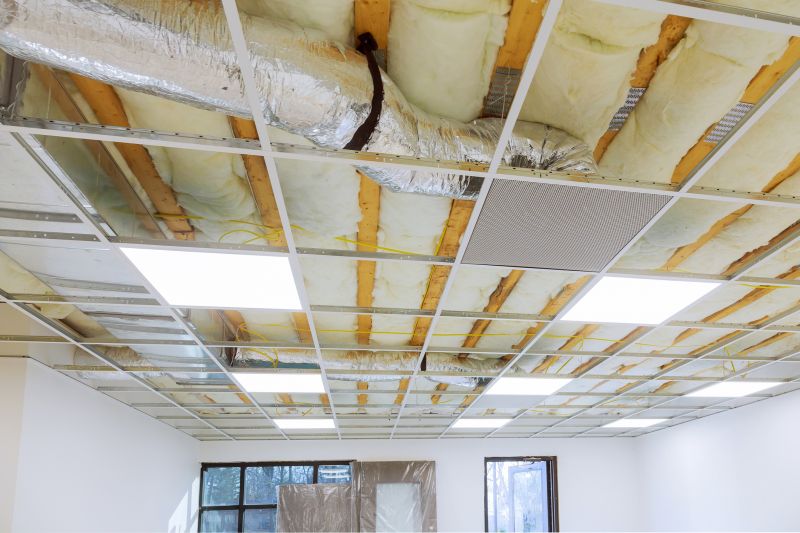
Suspended ceiling removal - clears drop ceilings to prepare for new finishes or lighting.
Popcorn ceiling removal - enhances room aesthetics by removing textured ceiling finishes.
Ceiling insulation removal - allows for upgrades to energy efficiency and insulation systems.
Ceiling repair preparation - clears the way for new drywall or ceiling installations.
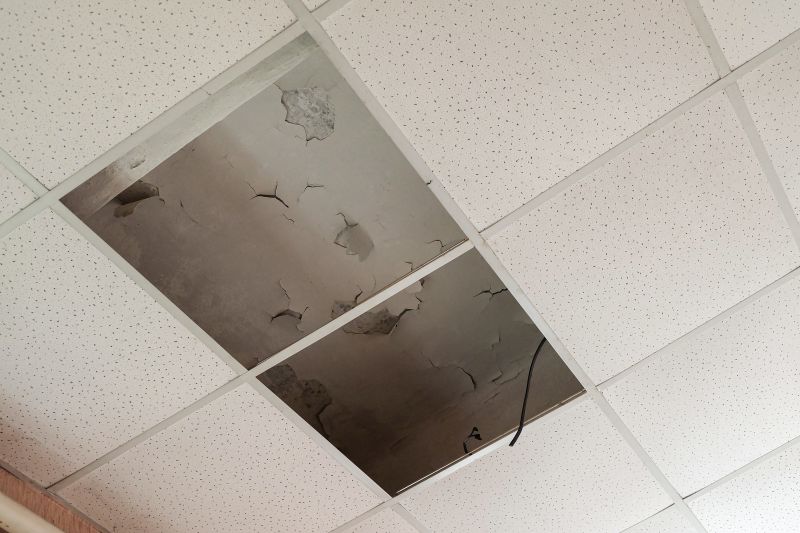

Ceiling Removal Service Questions
What types of ceilings can be removed? Ceiling removal services typically handle drywall, plaster, popcorn, and suspended ceilings to prepare spaces for renovation or repair.
Why might ceiling removal be necessary? Removal may be needed for remodeling, to access wiring or plumbing, or to replace damaged ceiling materials.
Is ceiling removal messy or disruptive? Proper techniques help contain debris, and the process is generally straightforward with minimal disruption to the property.
What should property owners consider before removal? It's important to assess underlying structures and plan for proper disposal of old ceiling materials during the project.
Request Ceiling Removal Service in Denver County, CO
Use the quote form on this page to share the basics of your project and request more information for the type of work you need.